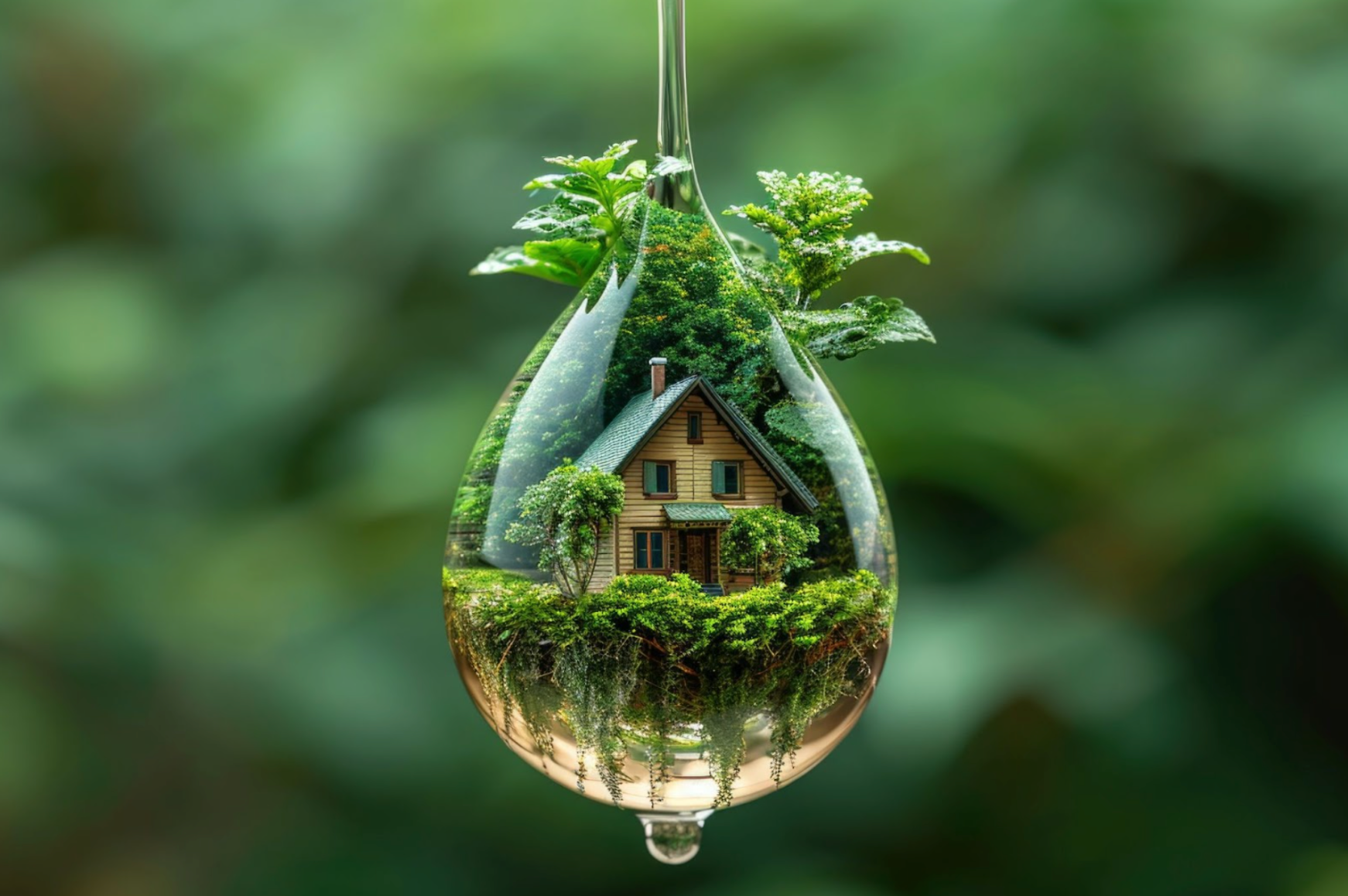
Eco-friendly houses have a smaller environmental impact, improved indoor air quality, and cheaper energy costs. Many purchasers, however, find them increasingly out of reach not due to availability but rather due shifting lending policies. Sustainable home is turning into a luxury few people can afford as banks and financial institutions change their rules.
Tighter Credit Policies Hit First-Time Buyers the Hardest

Often, new lending policies call for bigger down payments and better credit ratings. That especially affects younger, lower-income consumers—the same ones most motivated in long-term savings by means of energy-efficient living. Many of these purchasers are excluded before they can even think about a house with sustainable building materials or solar panels.
Financially, green features are not always appreciated.
One would assume a house would be more valuable with an insulated roof or rainwater system. Many assessors, however, see green improvements as “extras” rather than necessities. That implies that, even if the house offers long-term savings, banks might authorize smaller mortgage amounts. Then buyers must either out-of-pocket make up the difference or leave.
Sustainable Building Loan Options Are Vanishing

Once upon a time, special credit schemes helped eco-renovations or green building; many of those have been cut or cancelled in recent years. Buyers wishing to construct sustainably now confront a twofold difficulty: more upfront expenses and constrained financing choices. There is long-term reward, but the short-term obstacle is usually rather great.
Inequity’s Cycle Keeps Going
The reality is that the present financing climate supports standard, cookie-cutter homes. Though they save money over time, sustainable houses usually cost more up front. These houses stay in the hands of people with existing financial stability without inclusive lending policies. Sustainability is a privilege, not a right.
So, what can we do?

- Advocate for revised appraisal systems acknowledging green value by pushing for legislative change.
- Promote green lending initiatives by urging credit unions and banks to restore eco-financing.
- Teach consumers and merchants; the more we all grasp the significance of sustainable living, the more difficult it is to overlook.
- Decide what you can; even tiny improvements in traditional houses can have a significant impact.
Red tape shouldn’t stand in the way of sustainable living. A greener future depends on financial institutions that acknowledge and compensate the genuine worth of sustainable houses.